How to Recognize If You’re Dissociating
Dissociation is a word many people hear but do not always recognize in themselves. It can be subtle, confusing, and easy to dismiss, especially because it often shows up during everyday moments, not just during obvious stress or trauma.
At its core, dissociation is the nervous system’s way of protecting you when something feels overwhelming. It is not a failure or something “wrong” with you. It is a coping response that once served a purpose, even if it now feels unsettling or disruptive.
Learning to recognize dissociation is an important first step toward feeling more present, grounded, and connected.
What Is Dissociation?
Dissociation is a state of disconnection. This can be a disconnection from your thoughts, emotions, body, surroundings, or sense of self.
It exists on a spectrum. Many people dissociate mildly and regularly without realizing it, while others experience more intense or disruptive episodes.
Common forms of dissociation include:
- Feeling spaced out or checked out
- Feeling emotionally numb
- Feeling disconnected from your body
- Feeling detached from reality or your surroundings
Dissociation is especially common in people with trauma histories, chronic stress, anxiety, or neurodivergence, but anyone can experience it.
Common Signs You Might Be Dissociating
Dissociation does not always look dramatic. Often, it shows up quietly.
You might notice:
- Losing track of time or feeling like time skips
- Zoning out during conversations or meetings
- Feeling foggy, distant, or unreal
- Struggling to remember parts of your day
- Feeling emotionally flat or numb
- Feeling like you are watching yourself from the outside
- Difficulty staying focused even when you want to
Some people describe dissociation as feeling “not quite here” or like they are on autopilot.
Emotional Signs of Dissociation
Emotionally, dissociation may look like:
- Feeling disconnected from feelings, even when you know something matters
- Difficulty accessing sadness, anger, or joy
- Feeling overwhelmed one moment and numb the next
- A sense of shutdown instead of distress
This can be confusing, especially for people who feel deeply but suddenly go blank when emotions get intense.
Physical and Sensory Signs
Dissociation often involves the body, even if it does not feel obvious.
You may experience:
- Feeling floaty, heavy, or disconnected from your body
- Reduced awareness of pain, hunger, or fatigue
- Sensory dullness or, at times, sensory overload
- Trouble noticing where your body is in space
These experiences are part of how the nervous system shifts into protection mode.
Triggers That Can Bring on Dissociation
Dissociation can be triggered by many things, including:
- Stress or emotional conflict
- Feeling unsafe, criticized, or overwhelmed
- Sensory overload
- Trauma reminders, even subtle ones
- Feeling trapped, pressured, or out of control
Sometimes dissociation appears without a clear trigger, which can feel unsettling. This does not mean you are doing something wrong. It often means your nervous system is reacting faster than conscious awareness.
Why Dissociation Happens
Dissociation is not random. It is the brain’s way of helping you survive situations that feel too intense to manage in the moment.
If fight or flight does not feel possible, the nervous system may choose disconnection instead. Over time, this response can become automatic, even when the original danger is no longer present.
Understanding this can help reduce shame and self-judgment.
What Dissociation Is Not
Dissociation is not:
- Laziness
- A lack of motivation
- Being dramatic
- A personal weakness
It is a nervous system response shaped by experience.
What Helps When You Notice Dissociation
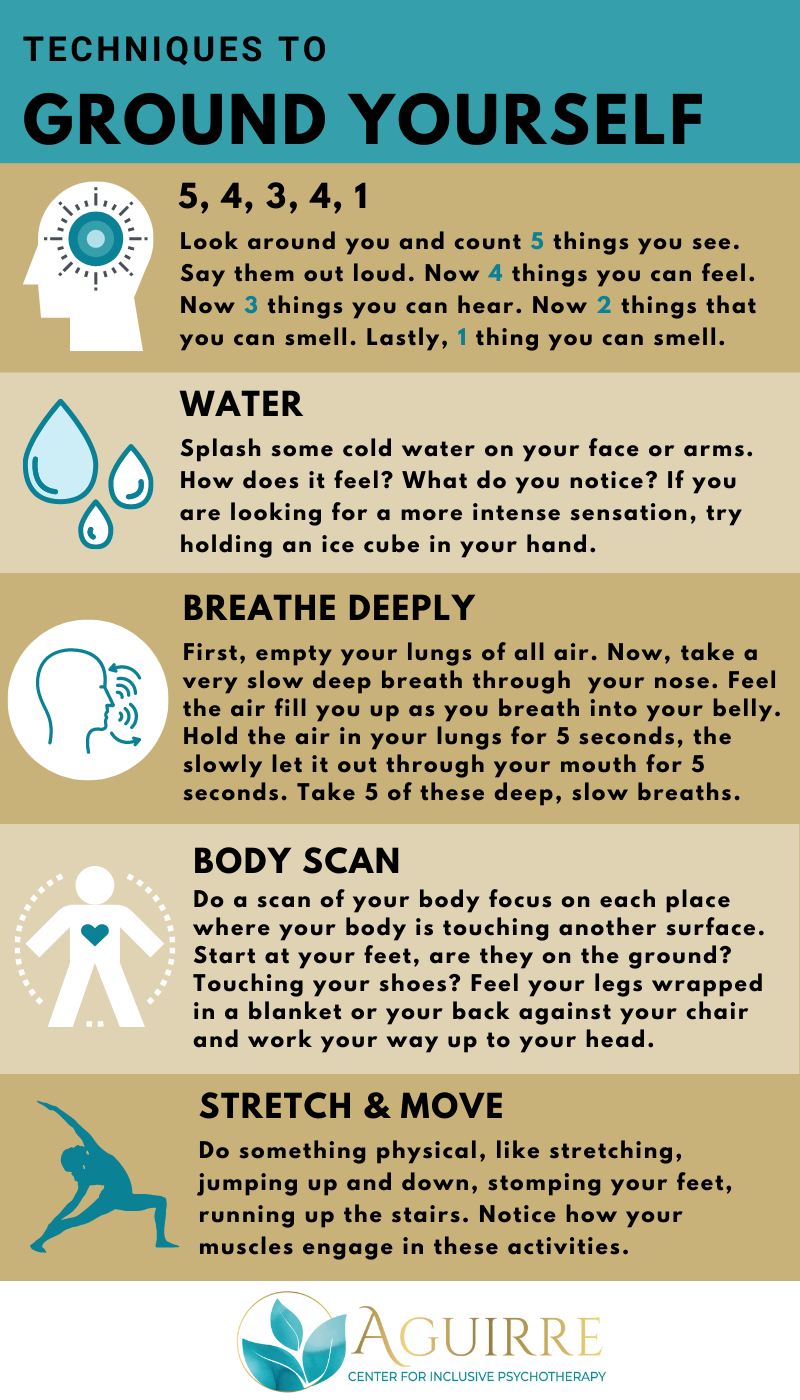
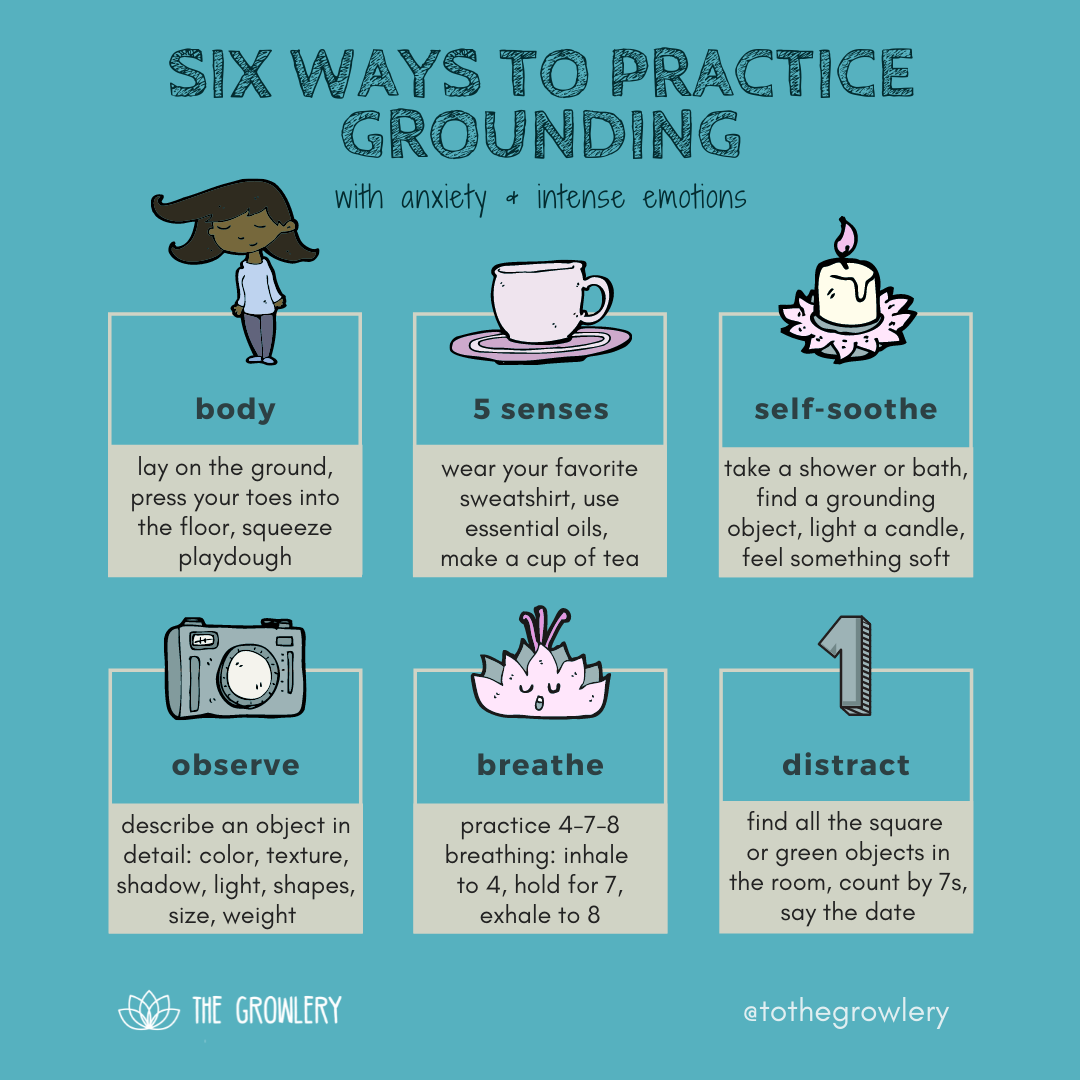
If you begin to recognize signs of dissociation, gentle grounding can help bring you back into the present.
This might include:
- Naming five things you can see around you
- Pressing your feet into the floor and noticing the support beneath you
- Holding something textured or temperature-based
- Taking slow, steady breaths and counting them
- Gently orienting yourself by naming where you are and what day it is
The goal is not to force yourself out of dissociation, but to invite safety and presence back in.
When Therapy Can Help
If dissociation happens frequently, interferes with daily life, or feels distressing, therapy can be a supportive place to explore it safely.
Therapy can help you:
- Understand your dissociation patterns
- Build grounding and regulation skills
- Increase nervous system safety
- Process underlying experiences at a manageable pace
Approaches such as trauma-informed therapy, EMDR, and creative or body-based therapies can be especially helpful.
A Compassionate Reframe
Dissociation is not something to fight against. It is something to understand.
Your nervous system learned this response for a reason. With support, it can also learn new ways to feel safe, present, and connected.
At Thrive Creative Arts Therapy, we approach dissociation with curiosity, compassion, and respect for each person’s pace and experience. If this resonates with you, you are not alone, and support is available.